Column · @louislumg243
How to Maintain Exposed Aggregate After Pressure Cleaning
Pressure cleaning removes built-up dirt, algae and grime from exposed aggregate, but ongoing care helps keep the https://capricornhousewashing.com.au/ surface attractive and safe. In Rockhampton, strong sunshine, summer storms and humid conditions make regular maintenance especially useful for driveways, paths and outdoor entertaining areas.
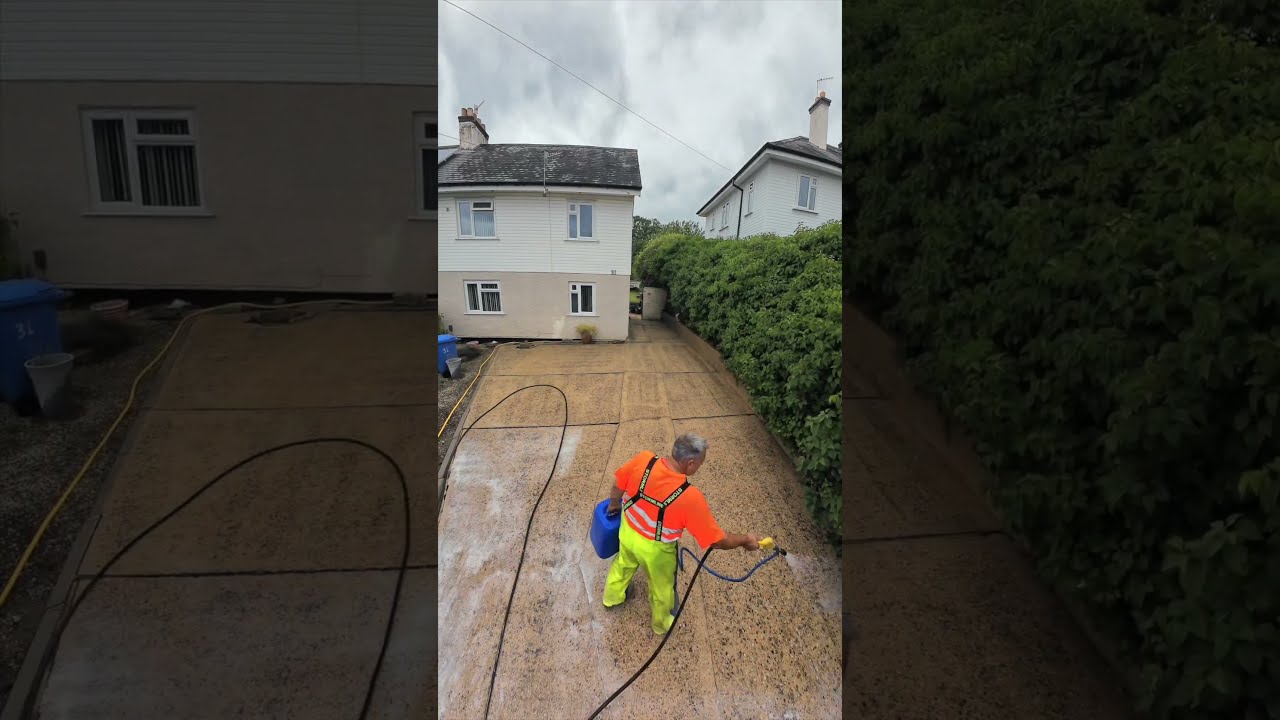
Inspect the Surface After Cleaning
Once the concrete dries, check for loose stones, cracks, crumbling patches and uneven colour. Cleaning can reveal existing damage that dirt previously concealed. If stones continue to loosen or the cement around them looks eroded, arrange an assessment before using a pressure cleaner again.
Avoid repeatedly pressure cleaning damaged areas. Excessive pressure, narrow spray tips and holding the nozzle too close can erode the cement matrix that holds the aggregate in place.
Keep Dirt and Stains Under Control
Sweep regularly with a firm, non-metallic broom to remove grit, leaves and grass clippings. This is particularly helpful after Rockhampton storms, when windblown debris can collect along edges and drainage points.
- Clean oil spills promptly: Absorb fresh oil with a suitable absorbent material, then use a concrete-compatible degreaser according to its label.
- Wash gently: Use a pH-neutral cleaner and a nylon-bristle brush for routine cleaning. Rinse thoroughly without leaving detergent residue.
- Remove organic debris: Leaves and damp garden litter can stain concrete and encourage slippery growth.
- Avoid harsh treatments: Do not use acid cleaners or aggressive wire brushing unless a qualified professional confirms they are suitable for the surface.
Test any new cleaning product on a small, inconspicuous section first, especially if the aggregate is sealed.
Check Whether the Sealer Needs Attention
Sealing can reduce staining and make exposed aggregate easier to maintain, but pressure cleaning does not automatically mean resealing is necessary. Look for worn traffic lanes, peeling coatings or uneven absorption. A small water test can help indicate changes in water repellency, although it does not reliably identify the existing sealer or its condition.
Choose a Compatible Product
Penetrating sealers and film-forming sealers perform differently. Some preserve a more natural appearance, while others deepen colour or add gloss. Confirm compatibility with any existing coating before resealing. Applying an unsuitable product over an old sealer can cause adhesion problems, whitening or peeling.
For sloping driveways, pool surrounds and frequently wet paths, ask about slip resistance and whether the selected system needs a compatible slip-resistant additive. A glossy finish is not necessarily the safest option.
Allow Proper Drying and Curing
Follow the sealer manufacturer’s requirements for surface moisture, temperature, rain-free weather and application rate. Do not assume concrete is ready simply because it looks dry; textured surfaces and shaded sections can retain moisture.
In Rockhampton, plan around forecast showers and avoid applying sealer to excessively hot concrete. Keep pedestrians and vehicles off the treated area for the product’s specified curing period.
Reduce Moisture and Prevent Slippery Growth
Keep drains clear, redirect sprinklers away from paved areas and trim vegetation where practical to improve airflow. Persistent dampness encourages algae, particularly on shaded paths. Address slippery patches promptly with a treatment suitable for both concrete and the existing sealer.
When washing, prevent detergent, sediment and oily runoff from entering stormwater drains. Use suitable containment methods and check Rockhampton Regional Council guidance where necessary.
Set a Simple Maintenance Routine
Sweep weekly or as needed, remove spills immediately and inspect the surface after heavy rain. Review the sealer’s condition periodically rather than recoating on a fixed schedule: wear varies with traffic, sun exposure and product type.
If you notice widespread stone loss, recurring algae or coating failure, contact a local exposed aggregate cleaning or sealing specialist. Gentle routine care and timely repairs help avoid unnecessary aggressive cleaning and keep your Rockhampton concrete looking its best.
Capricorn House Washing
0482 073 600